


.png)


Voices of Experience: Women Driving Local Manufacturing Forward

March is both Women’s History Month and Women in Manufacturing Month. Several women have helped shape manufacturing in Defiance County to what it is today.
Kenyotta Stantz, human resource business partner at Balchem; Ashley Wilhelm, human resource manager at Johns Manville; Melanie Hinkle, human resource manager at Sabre Industries, Lisa Thiel, manager regional human resources at Mayville Engineering Co.; and Jackie Filipovich, controller at B&B Molded Products, have all worked their way up in the industry.
These women have more than 100 years of combined experience in the manufacturing field.

Each woman entered the manufacturing industry in different ways. Stantz first became involved working as summer help at General Motors while she was in college. Wilhelm also first became involved in manufacturing in college, having a 2-year internship at an automotive manufacturing company. Filipovich started in manufacturing as a college intern. Hinkle began as a production worker at Fleetwood Travel Trailers. Thiel started working for a staffing service that had an on-site presence at her current company.
Many of the women in manufacturing said they like the opportunities for people to learn new skills and abilities while offering stability in the manufacturing environment.
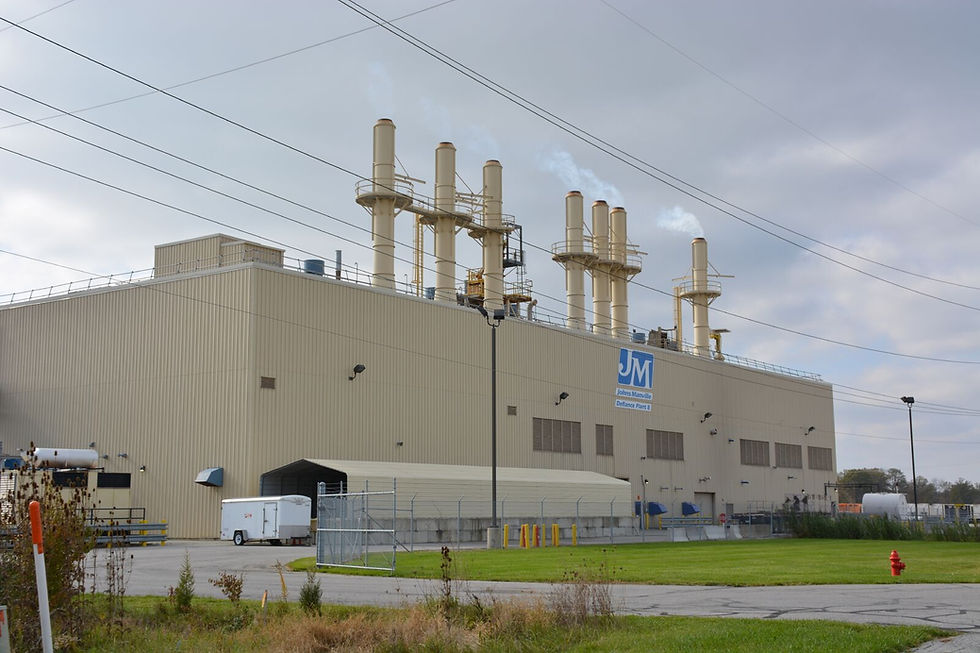
“I have seen someone with no experience in an engineering field become an amazing industrial process engineer and excel and grow in the field beyond what he ever imagined and seen a production worker grow into a production supervisor,” said Wilhelm. “I enjoy seeing the qualities and helping the employee match them to a career and not just earning a paycheck.”
Stantz pointed out that manufacturing offers stability and dependability “that pays well with benefits that also have a range of skills and interests that can suit any lifestyle.”
Filipovich commended that she enjoys the “fast-paced and problem-solving nature involved in manufacturing.”
“Every day presents a new challenge and it’s rewarding to be a part of the process and work as a team to make improvements and run efficiently,” she offered. “I also appreciate the teamwork involved across all departments. Working with others and empowering them has been one of the most rewarding parts of my job.”
Hinkle stressed that being part of a business that has a direct impact on the environment and having the opportunity to work with a diverse workforce is something she likes about the manufacturing industry.
Thiel commented that she loves seeing the “direct impact of our work.”
“In manufacturing, you can see, touch and feel the product created which makes HR support feel tangible and rewarding,” she remarked.
A lot has changed since these women began in the industry.

Advancement in automation and technology, increased demand for skilled workers and improved safety systems are just some of the things seen in the last few decades.
“Overall, the industry has shifted toward greater innovation, safety and productivity,” Wilhelm proclaimed.
“The biggest shift I’ve seen is in the move from reactive safety to a proactive, ‘zero-accident’ safety culture,” Thiel observed. “Also, we’re transitioning from an all-manual labor to more automation that assists workers, rather than replacing them, making jobs safer and more efficient.”

Filipovich also stated that “automation, data systems and improved machinery have increased precision and efficiency.”
“There is a stronger focus on lean manufacturing, continuous improvement and supply chain management than there was earlier in my career,” she added.
Looking ahead to the next 5-10 years in the industry several changes are coming.
Thiel expects a continued focus on automation and cobots in the future.
“Technology, flexibility and evolving skills will share the future of work,” she proclaimed.
Wilhelm stressed a move toward more automation, smarter technology and data-driven processes is in the future.
“We’ll see increased use of robotics, AI and predictive maintenance, along with a stronger focus on sustainability and workforce upskilling,” she theorized.
Stantz also said she envisions “AI-driven smart factories, widespread adoption of robotics, and a shift toward on-demand, sustainable production” in the future.

A need for increased workforce is something manufacturers also must handle.
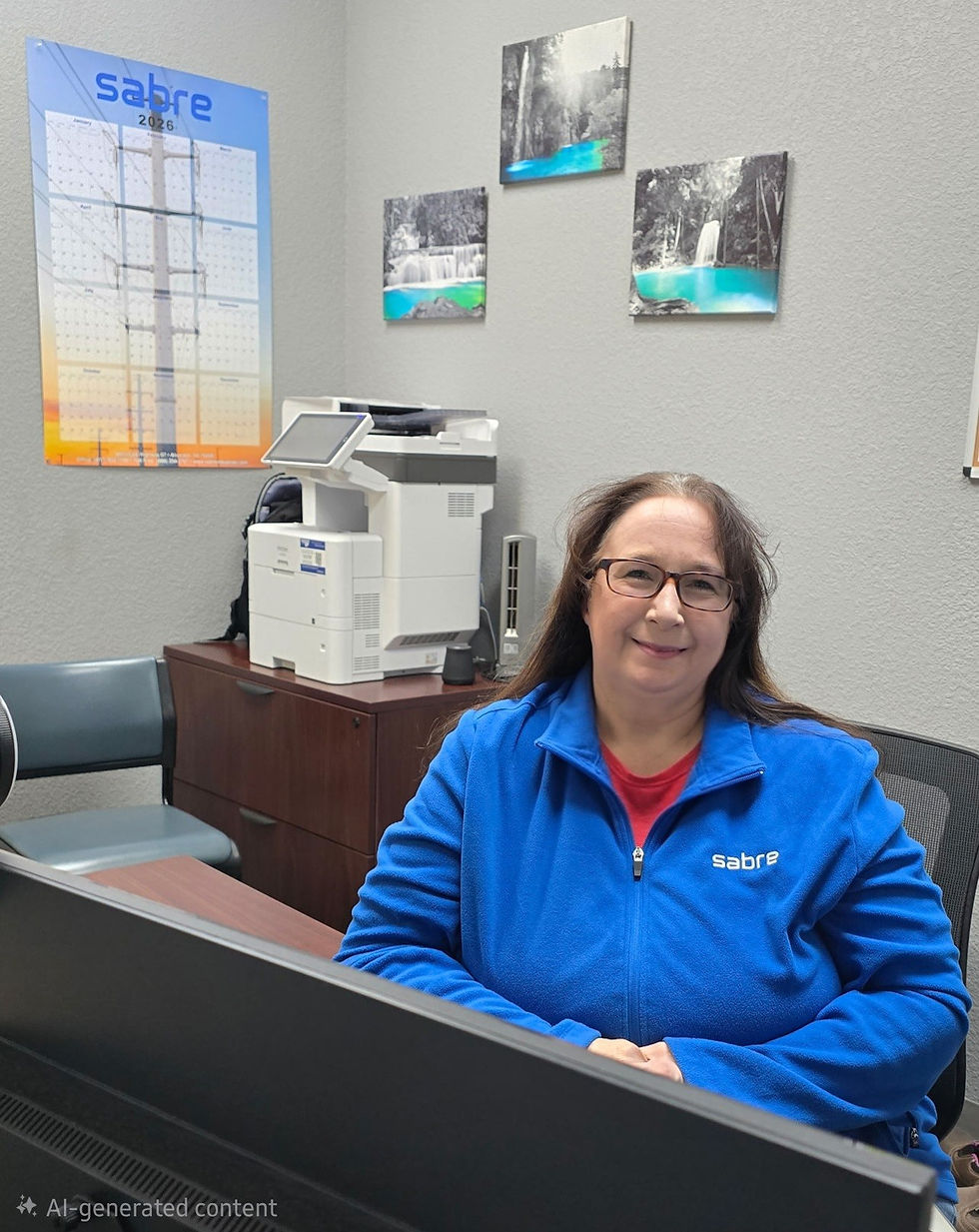
“As the demand for updated infrastructure increases, I see an increase in the work we do at Sabre,” Hinkle said. “I see the potential for a more robust training program that will ensure employees are provided the skills required to move the company forward.”
Filipovich stated much the same.
“... Companies will need to focus more on workforce development to ensure employees have the technical skills needed to work with the more advanced technologies,” Filipovich pointed out.
Another advancement is the increased investments in training and partnerships to recruit students.
Defiance County is doing a lot to help attract young people to manufacturing with its manufacturing camps, internships and co-ops.
“Getting them inside the walls and being able to see what is going on inside is the key,” Wilhelm urged.
Hinkle commented that the programs that the county’s economic development office is doing helps grow businesses as far as employment opportunities.
Thiel praised the manufacturing camps as “a standout success, providing an excellent platform for businesses to connect with young people in our community.”
Filipovich also commented that it is positive to see the county promoting manufacturing and working with the schools.
“Many young people don’t realize how many opportunities exist in manufacturing,” she stressed. “Initiatives such as the manufacturing camps provide education and hands-on experience which help them see manufacturing as a strong career path.”
It is hoped that many of the young women introduced to manufacturing will find a career in the industry.

According to the U.S. Census Bureau, only 30 percent of the U.S. manufacturing workforce is women. According to the Women in Manufacturing Association, 80 percent of women are likely or very likely to recommend a career in manufacturing, however.
The women currently in the industry have different thoughts on why not as many women have gone into manufacturing as men.
“A shortage of women in leadership on the shop floor makes it difficult for young women to see themselves in these roles,” observed Stantz. She encouraged women coming into the industry to change that. “I would remind women that they are needed to change the face of the industry, bringing new perspectives that make companies more profitable and innovative.”
Wilhelm and Hinkle both pointed out that traditionally manufacturing has been viewed as male-dominated with women not being exposed to manufacturing careers early. Promoting manufacturing careers in schools while highlighting successful women in the roles is a way to help.

“I think we can place more focus on providing young women in high school with the opportunity to educate themselves on the benefits of working in manufacturing and work to erase that outdated stereotype,” Hinkle stressed, adding that manufacturing allows employees to start at the bottom and develop into a potential leadership position while offering stability. “I would encourage a woman to not let outdated stereotypes hold them back from a future in manufacturing.”
Not believing the stereotype is key.

“The industry is no longer what many people imagine – today it’s innovative, technology-driven and full of roles that value problem-solving, leadership and creativity,” Wilhelm remarked. “There’s so much room for advancement, and women bring perspectives and strengths that are truly needed. If you’re willing to learn and step into something new, manufacturing can be a stable, rewarding and empowering career path.”
Thiel noted that there is a “misconception that manufacturing requires only strength, which is false.”
“Manufacturing is about technical skills, dexterity and critical thinking,” she expanded. “Companies must focus on core competencies rather than extensive years of experience or specific degrees. This helps attract talented women who may have non-traditional backgrounds or have come to the industry later in their careers.”

Filipovich commented that increasing awareness of the “wide variety of roles available in manufacturing” also helps.
“Outreach, mentorship programs, and highlighting successful women in manufacturing can also encourage more women to enter the industry,” she added. “Manufacturing offers a wide variety of career opportunities with strong growth potential. It’s a career that can make a real impact, solve problems and see the results of your work. I would encourage women to explore the field, ask questions and take advantage of training programs or internships because manufacturing can be a very rewarding and stable career path.”


Comments